Complete Guide to Natural Hair Oils: Benefits, DIY Blends & How to Use Them for Healthy Hair
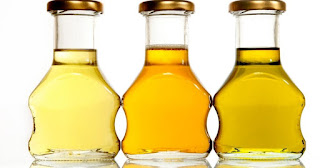
Natural hair oils have been used for centuries as part of traditional hair care routines. From coconut oil and almond oil to rosemary-infused oil and argan oil, many plant-based oils are popular for nourishing the hair and scalp while helping maintain healthy-looking hair.
One of the biggest advantages of natural hair oils is their versatility. They can be used for scalp massage, hot oil treatments, pre-shampoo treatments, overnight conditioning, or combined with herbs and other natural ingredients to create homemade hair oils.

Choosing the right oil depends on your hair type, scalp condition, and hair care goals. Some oils are lightweight and suitable for oily scalps, while others are richer and commonly used for dry or frizzy hair.
In this complete guide, you'll learn about different types of natural hair oils, their potential benefits, how to choose the right oil, DIY oil blends, proper application methods, common mistakes to avoid, and answers to frequently asked questions.
What Are Natural Hair Oils?
Natural hair oils are oils extracted from plants, seeds, nuts, or fruits. They are commonly used to moisturize hair, support scalp care, and improve the appearance and manageability of hair.
Natural hair oils generally fall into three categories.
1. Carrier Oils
Carrier oils are the primary oils used in homemade hair care. They can usually be applied directly to the hair or used as a base for DIY oil blends.
Common carrier oils include:
- Coconut oil
- Olive oil
- Almond oil
- Argan oil
- Jojoba oil
- Sesame oil
- Mustard oil
- Castor oil
2. Herbal-Infused Oils
Herbal oils are prepared by infusing herbs into a carrier oil. Popular herbs include hibiscus, fenugreek, rosemary, curry leaves, and amla.
These homemade oils combine the properties of the carrier oil with the infused botanical ingredients.
3. Essential Oils
Essential oils are highly concentrated plant extracts. Because of their strength, they should always be diluted in a carrier oil before applying to the scalp or hair.
Common examples include rosemary essential oil, lavender essential oil, peppermint essential oil, and tea tree essential oil.
Benefits of Natural Hair Oils
Natural hair oils are commonly included in homemade hair care routines because they are easy to use and can complement other DIY treatments.
1. Helps Moisturize Dry Hair
Many natural oils help coat the hair strands, reducing the feeling of dryness and leaving hair softer and smoother.
2. Improves Hair Shine
Regular oiling may enhance the natural shine of the hair by smoothing the outer layer of the hair shaft.
3. Supports Healthy-Looking Hair
A consistent hair oiling routine can be part of an overall hair care regimen that supports healthier-looking hair.
4. Helps Reduce the Appearance of Frizz
Some oils help smooth the hair surface, making hair appear less frizzy and easier to manage.
5. Conditions the Hair
Natural oils can leave hair feeling softer, more manageable, and easier to style after washing.
6. Supports Scalp Care
Scalp massage with suitable oils is a common practice in many traditional hair care routines and may help maintain a healthy-looking scalp.
7. Complements DIY Hair Treatments
Natural oils combine well with ingredients such as aloe vera, hibiscus, fenugreek, yogurt, banana, avocado, and honey, making them ideal for homemade hair masks and treatments.
Choosing the Right Hair Oil for Your Hair Type
| Hair Type | Recommended Oils |
|---|---|
| Dry Hair | Coconut Oil, Olive Oil, Argan Oil |
| Oily Hair | Jojoba Oil, Grapeseed Oil |
| Curly Hair | Coconut Oil, Almond Oil |
| Fine Hair | Jojoba Oil |
| Thick Hair | Castor Oil, Coconut Oil |
| Frizzy Hair | Argan Oil, Almond Oil |
| Normal Hair | Sesame Oil, Coconut Oil |
These recommendations are general guidelines. Individual preferences and hair care needs may vary.
How to Apply Hair Oil Properly
Applying hair oil correctly can help distribute the oil evenly through the scalp and hair. A gentle and consistent routine is often more beneficial than using excessive amounts of oil.
Step 1: Choose the Right Oil
Select an oil based on your hair type and hair care goals. Lightweight oils are often preferred for oily hair, while richer oils may be suitable for dry or coarse hair.
Step 2: Warm the Oil Slightly
If desired, place the oil container in warm water for a few minutes. The oil should feel comfortably warm, not hot.
Step 3: Section Your Hair
Divide your hair into small sections to make application easier and ensure even coverage.
Step 4: Apply to the Scalp
Use your fingertips to apply small amounts of oil directly to the scalp.
Step 5: Massage Gently
Massage the scalp using gentle circular motions for 5–10 minutes. Avoid scratching or using excessive pressure.
Step 6: Apply Through the Hair Lengths
Spread the remaining oil through the mid-lengths and ends of your hair.
Step 7: Leave the Oil On
Leave the oil on for 30–60 minutes. Some people also prefer overnight oiling if it suits their hair care routine.
Step 8: Wash with a Mild Shampoo
Rinse thoroughly and cleanse with a gentle shampoo if needed.
DIY Natural Hair Oil Blends
Homemade oil blends combine carrier oils with herbs or botanical ingredients to create customized hair care treatments.
1. Coconut Oil and Aloe Vera
This blend is commonly used as a moisturizing pre-shampoo treatment.
- 3 tablespoons coconut oil
- 2 tablespoons fresh aloe vera gel
2. Coconut Oil and Hibiscus
Fresh hibiscus flowers are often infused into coconut oil for traditional homemade hair oil recipes.
- 1 cup coconut oil
- 6–8 fresh hibiscus flowers
3. Coconut Oil and Fenugreek
Fenugreek seeds are frequently infused into warm coconut oil.
- 1 cup coconut oil
- 2 tablespoons fenugreek seeds
4. Coconut Oil and Curry Leaves
Curry leaves are commonly used in homemade herbal hair oils.
- 1 cup coconut oil
- 15–20 fresh curry leaves
5. Coconut Oil and Rosemary
Rosemary is often combined with coconut oil in DIY hair oil recipes.
- 1 cup coconut oil
- 2–3 drops diluted rosemary essential oil or rosemary-infused oil
Common Hair Oiling Mistakes
- Applying excessive amounts of oil.
- Using oil that is too hot.
- Skipping shampoo when needed.
- Using undiluted essential oils directly on the scalp.
- Applying oil to an irritated or injured scalp.
- Expecting immediate results from occasional use.
Precautions
Perform a Patch Test
Always test a small amount of oil on your skin before first use to check for sensitivity.
Use Clean Oils
Store oils in clean, tightly sealed containers away from direct sunlight.
Avoid Excessive Heat
Never overheat natural oils before application.
Choose Oils Appropriate for Your Hair Type
Different oils have different textures. Experiment carefully to find the option that works best for your hair.
Frequently Asked Questions
Which natural oil is best for dry hair?
Coconut oil, olive oil, argan oil, and almond oil are commonly chosen for dry hair.
Can I mix different natural oils?
Yes. Many homemade hair oil recipes combine two or more carrier oils.
How often should I oil my hair?
Many people apply hair oil once or twice a week, depending on their hair type and routine.
Can I leave hair oil overnight?
Some people prefer overnight oiling, while others wash it out after 30–60 minutes. Choose the method that suits your hair and comfort.
Should I oil my hair before shampooing?
Yes. Pre-shampoo oiling is a common practice in many hair care routines.
Are essential oils safe to apply directly?
Essential oils should generally be diluted in a suitable carrier oil before use.
Final Thoughts
Natural hair oils remain one of the most popular parts of homemade hair care. Whether you choose coconut oil, almond oil, argan oil, castor oil, or another plant-based oil, selecting the right option for your hair type and using it consistently can become a valuable part of your routine.
Combining natural oils with other homemade treatments such as aloe vera, hibiscus, fenugreek, banana, avocado, or yogurt can further expand your DIY hair care options.
Explore the detailed guides below to learn more about each natural hair oil and discover recipes tailored to different hair needs.
Related Posts:
- Coconut Oil for Hair: Benefits, DIY Treatments & How to Use It
- Castor Oil for Hair Growth: Benefits, Uses & DIY Hair Treatments
- Rosemary Oil for Hair: Benefits, DIY Recipes & Safe Usage
- Hair Growth & Hair Fall: Causes, Natural Remedies, Diet & Proven Home Care Tips
- Best Hair Oils Guide: Nourish, Protect, and Revitalize with DIY Recipes
.jpg)


Comments
Post a Comment